

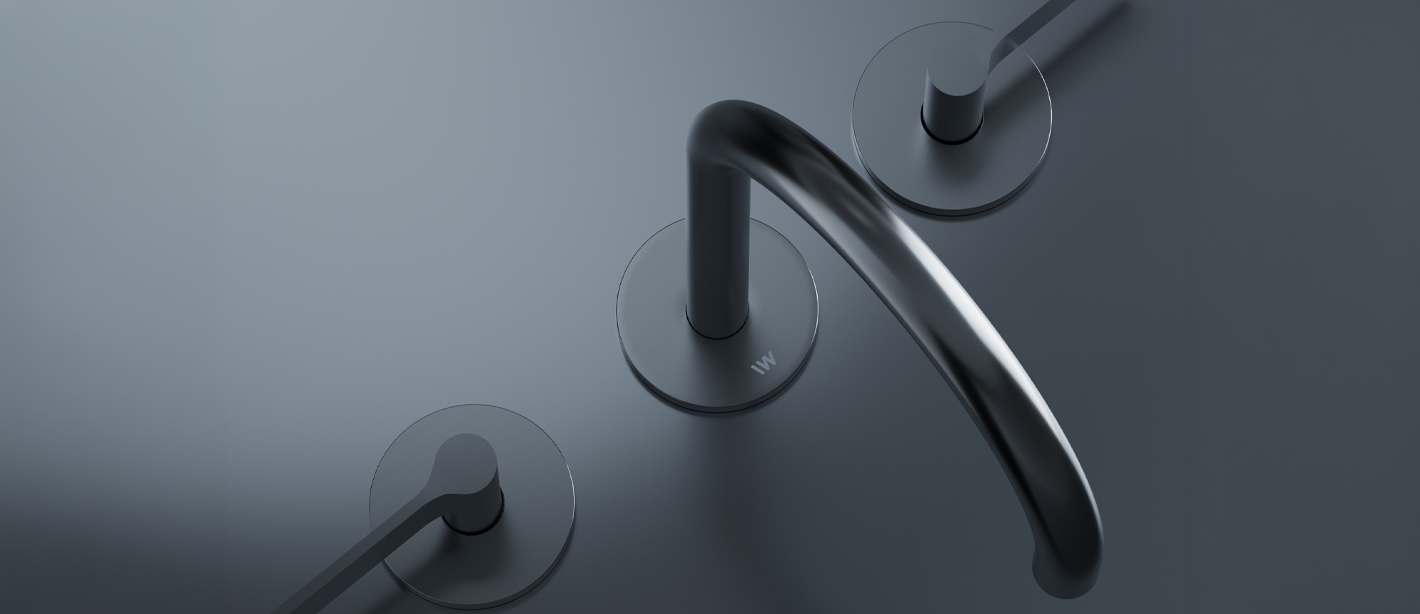
“Luxury Fatigue”: or Why Contemporary Luxury Is Moving Towards Calm.
For years, the concept of luxury in interior design was closely tied to visual impact. More marble, more contrast, more dramatic lighting, more statement elements. Spaces were designed to impress instantly.
And for a while, it worked. But something has changed. Today, after years of visual overexposure through social media, renders, and a constant stream of imagery, many premium interiors are beginning to feel strangely alike: the same palettes, the same materials, and the same compositions repeated over and over again in hotels, residences, and showrooms around the world.
The result is what many architects and designers are already perceiving: a growing sense of luxury fatigue. Not because luxury itself has lost relevance, but because excess no longer creates the same emotional response. The contemporary premium client is evolving towards something quieter. More human. More balanced. We are witnessing a shift from spectacle to atmosphere.
Spaces are no longer designed solely to create visual impact, but to generate emotion and sensation. Natural light, honest materials, authentic textures, and calmer proportions are beginning to replace the need for constant stimulation.
Today, luxury is increasingly defined by silence over excess, and emotional wellbeing over visual pressure. This evolution is especially visible in the bathroom environment.
What was once a purely functional room later became a highly decorative and theatrical environment. Now, it is transforming once again into something more intimate: a place connected to wellbeing, ritual, and sensory balance.
In this context, even minimalism is changing. The cold, excessively rigid minimalism of previous years is giving way to a warmer, more natural language. Contemporary luxury is no longer about pursuing perfection at all costs, but about harmony, material authenticity, and timelessness.
At IW, we believe this transition is redefining the future of premium interiors. Not through louder designs, but through more conscious ones.
Spaces that breathe, materials that age beautifully, and objects that integrate naturally into architecture rather than compete with it.